Month: May 2013

  • Spelunky + Game Designers = <3?

    I was watching this video by Rev3Games hosted by Anthony Carboni this morning , at the beginning of the interview Anthony suggests that game designers tend to love Spelunky more than other people. I don’t know if this is true but I have a theory about why it might be.

    Games are inherently about getting better, progressing towards mastery and there are two ways for games to give you this feeling of mastery:

    1. Skill Mastery: give you systems that you can learn and improve at (i.e. improving your multitasking is Starcraft)
    2. Number Mastery: increase some number over time (i.e. increase your level in Final Fantasy)

    Games are almost always a combination of the two. The core of the game is something you can improve at and by improving you are able to increase some number that is a gauge of your skill. I think the less of a gamer someone is the more easily they confuse these two things. The most casual games have almost no skill mastery but strong number mastery systems (Farmville being an amazing example). The least casual games usually have number mastery very tightly coupled to skill mastery with Starcraft and Chess’ ladder systems topping the chart. Game designers, who think about games all the time, should be really good at distinguishing between these two things and that helps them like Spelunky, which has wonky number mastery.

    Spelunky is a hardcore skill mastery game. No matter how many times you play you always start the game naked as the first time you played. In the video above and in other places Derek talks about how Spelunky has a non-traditional difficulty curve: it starts very steep in the mines, gets even harder in the jungle and then eases out with the ice and the temple. But the rate at which people aproach skill mastery is the opposite, they start bad and then get better and better and better. This means the game’s number mastery system (getting to later levels) is telling you that you are improving very slowly even when you are improving very quickly. Even a future master of the game will spend a lot more time dying in the mines then they will ever spend in the late-game temple levels.

    The result of this is that the game is very frustrating to players who look to number mastery for their “I’m improving” fix (since improving at something is why games are fun) and less frustrating to players who “see past” the numbers and know that they are greatly improving their skills despite not being able to beat the first level.

    Does this mean that some people are better at self-gauging when they are improving at things than other people? Or that they trust their own sense of improvement over external indicators? Or that they value external indicators less? Probably a combination of all three. I would also wager that the more games you play the more true all of these things become. As time passes you play less and less for the numbers and more and more for the raw experience of playing and learning, of experiencing novel environments and learning to master them.

    So game designers, because we play a lot of games, probably like Spelunky more than people who have played less games. You could also argue that being in indie games self-selects people with a strong attraction to internal indicators over external ones. Making an indie game requires months or years of work with little clear, positive, external feedback. Meaning we have to be good at self-guaging when we are improving.

    It may be that all of these things make it easier for players like me to enjoy Spelunky, but I doubt that it makes Spelunky better for us. I think we would probably enjoy it just as much if the numbers reflected our growing skill more generously, and maybe all those people who find it “too hard” would realise that the game is just lying to them.
  • Rebuild 3: games you should play while you wait

    Rebuild 3 (ahem, I should get used to saying “Rebuild: Gangs of Deadsville”)… is going to be awhile. I’ve updated my release date to Spring 2014, which simultaneously feels forever away, and far too close. While you’re waiting, here are some similar games to play that have been a big inspiration for the Rebuild series and the new game.

    King of Dragon Pass

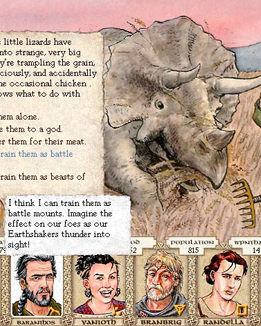
    inspiration_kingofI can’t believe I only just played this game from 1999, but I can tell you it still holds up. It’s a wonderfully rich storytelling experience, a strategy game where you manage a clan while being barraged with moral dilemmas. It’s set in a super deep fantasy world based on gods and mythology that goes on forever in such detail, all of it illustrated with these huge hand-drawn pictures. I’ve never played anything like it. It’s inspired me to make the text events in Rebuild 3 even longer with more explorations of the world and events from that terrible “first year” of the zombpocalypse.

    They more recently released an updated iOS version and have a great development blog for it. I highly recommend it to fans of strategy and storytelling.

    Dwarf Fortress

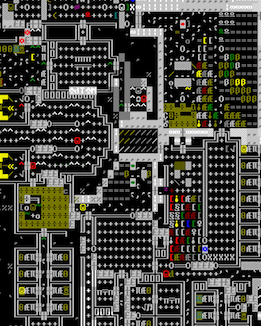
    inspiration_dwarffortressNow showing in the New York MoMA, this game is without a doubt a work of art. The product of years of obsession; Toady’s unrelenting drive to simulate the running of a dwarven city in raw and ridiculously minute detail. With ascii graphics. You need to squint and use your imagination to see the blonde/brunette/redhead, but part of the appeal is that the game is in your head. But to be honest… I prefer Mayday’s graphical edition, and though I know it’s sacrilege I’d kill for a full-mouse interface.

    Despite their lack of visual representation, those little dwarves have so much character that they inspire epic works of fanart/fiction. I come back to them when I’m brainstorming new survivor enhancements like perks, backstories, individual happiness, relationships, kids… it’s hard to know where to draw the line. With Dwarf Fortress there is no line since it’s a perpetual work in progress, which I guess in a way Rebuild has been too.

    SimCity

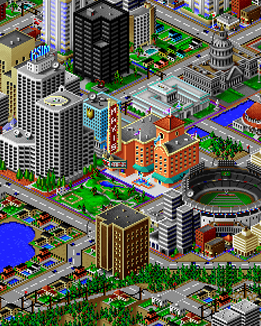
    inspiration_simcityThough not totally accurate, I sometimes describe Rebuild as “SimCity with zombies”, and my earliest prototype used modified building graphics from SimCity 1. Mostly because I needed some quick and recognizable placeholders, but also because the first two SimCities were defining games from my youth. I later played every other simulation game I could get my hands on, but these were my favorite.

    So I was heartbroken that the newest SimCity is riddled with always-online DRM which means I can’t reliably play in the remote places I live half the year. No surprise their servers didn’t handle the day 1 load, but it was inexcusable that EA claimed the always-online was to offload processing, which was a bald-faced lie. I’ve also heard the new game itself is a disappointment, but you can always go back and play the earlier games.

    Space Rangers

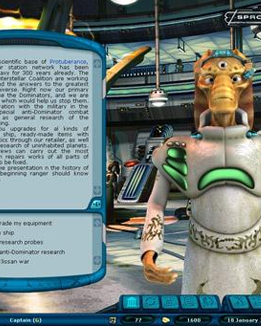
    inspiration_spacerangersRecently remastered as Space Rangers HD: A war apart, this space trading/piracy game breaks up the strategy with delightful interactive fiction events. Sound familiar? This game was on my mind when I came up with the initial concept for Rebuild: a strategy game broken up with text that tells a much deeper story.

    Rebuild 3’s going to have even more, longer events with more complicated decisions to make than just “yes” or “no”. They may not have you performing espionage at alien cocktail parties (a plotline I seem to recall…) but hopefully will be just as compelling.

  • Rebuild 3: Interfaces & common resolutions in 2013

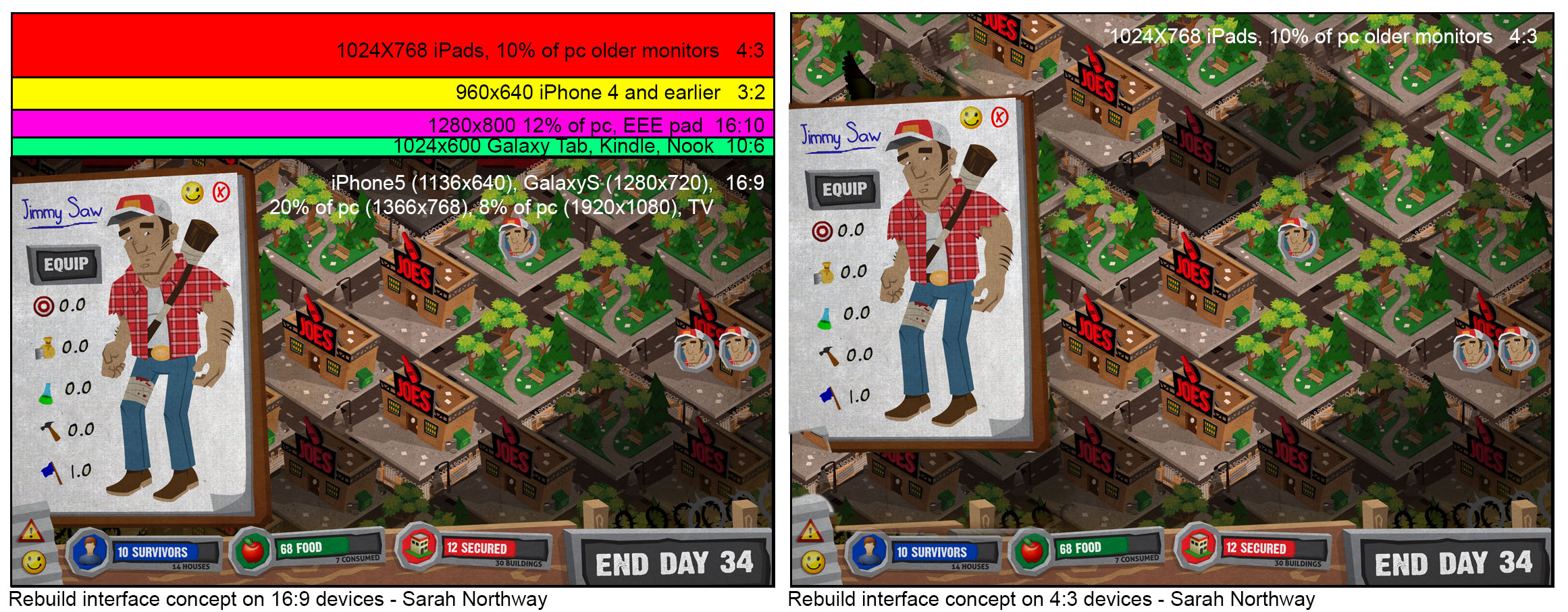
    The target aspect ratio for Rebuild 3 is widescreen 16:9. Rebuild 1 and 2 were 4:3 which is pretty normal for Flash games that have to appear on sites like Kongregate with ads and stuff around them. But the PC/Mac and mobile versions of Rebuild 3 will support glorious fullscreen, where 16:9 is the new norm. Check it:

    My dubious hobby/addiction to making colorful graphs

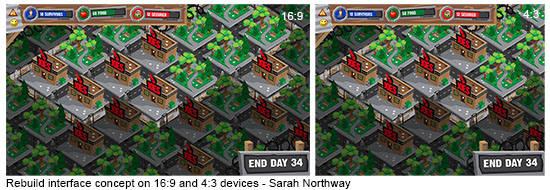
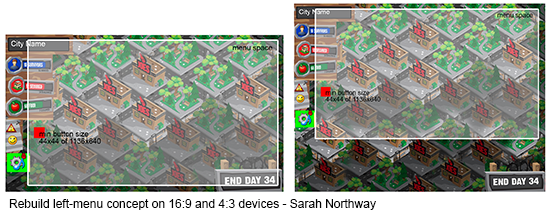
    So the plan is to design an interface that fits snugly on 16:9 iPhone5s and wide PC screens, but scale and move around to fill more square screens. Here’s a few ways we might do it:

    Concept art for Rebuild 3 at 16:9 and 4:3
    Rebuild 3 concept menu
    Alternate concept with broken sliding hud
    Rebuild gui left menu concept
    Concept with menu down the left, taller menus.

    I hope my addiction to mockups leads to something useful. Adam’s doing the same thing on his end, finding inventive new ways to convey a ton of information without looking cluttered. I want the game to feel natural at any resolution, so you don’t feel so much like you’re buried in an endless stack of menus. Which… come to think of it, is not a totally inaccurate description of the game.

  • Rebuild 3: First look concept art

    Rebuild 3 logo

    After an exhaustive search for a Rebuild 3 artist, sifting through 150 applicants and agonizing over the decision for months, I chose the art and style of Adam Meyer (of Steamroller Studios and Crystal Clear Art). When he’s not working with me on Rebuild 3, Adam’s got a zombie game of his own on the go – the beautiful Deadwood with a super unique art style involving wooden people.

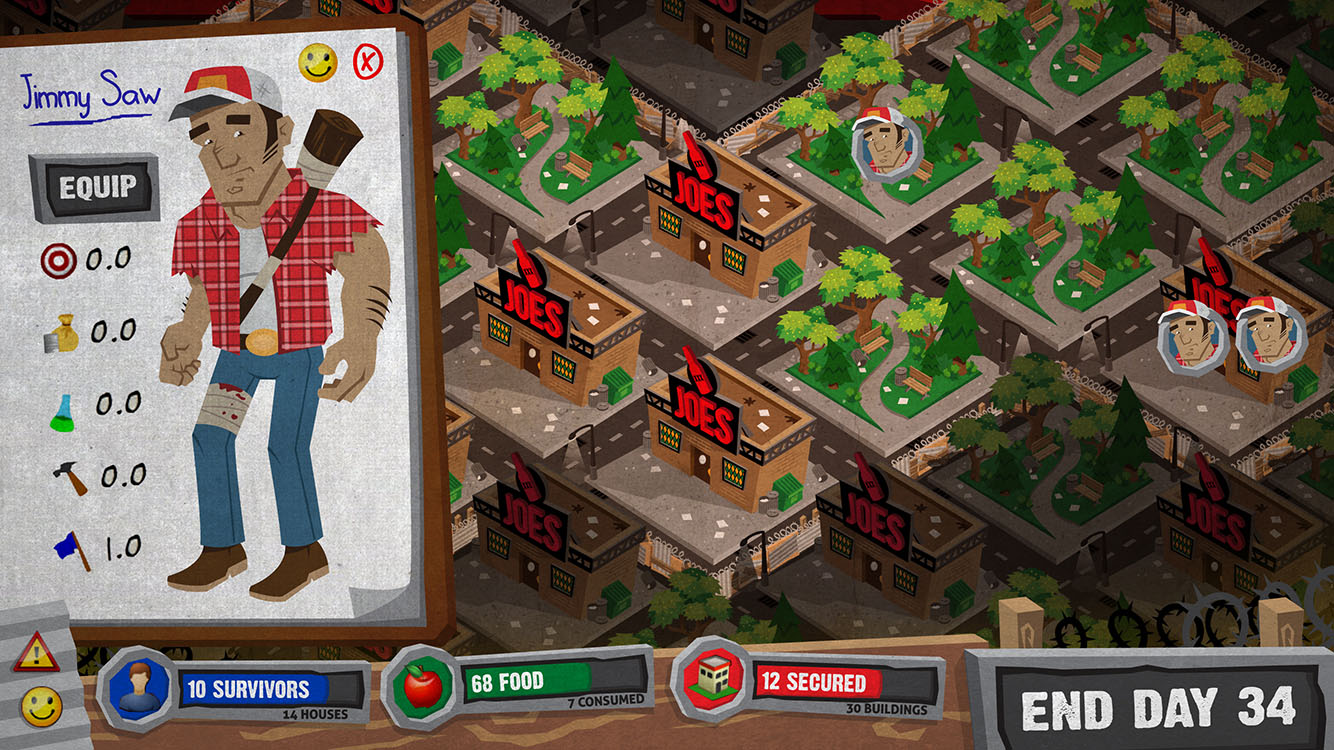
    As for the style of Rebuild 3 (tentatively called “Gangs of Deadsville”), we’re going to go for something cleaner and more cartoony than Rebuild 2… but not nearly as cheesy as my stickmen from Rebuild 1. Here’s a rough mockup of what we have in mind:

    Rebuild 3 concept mockup
    Adam’s mockup for the new look to Rebuild 3.

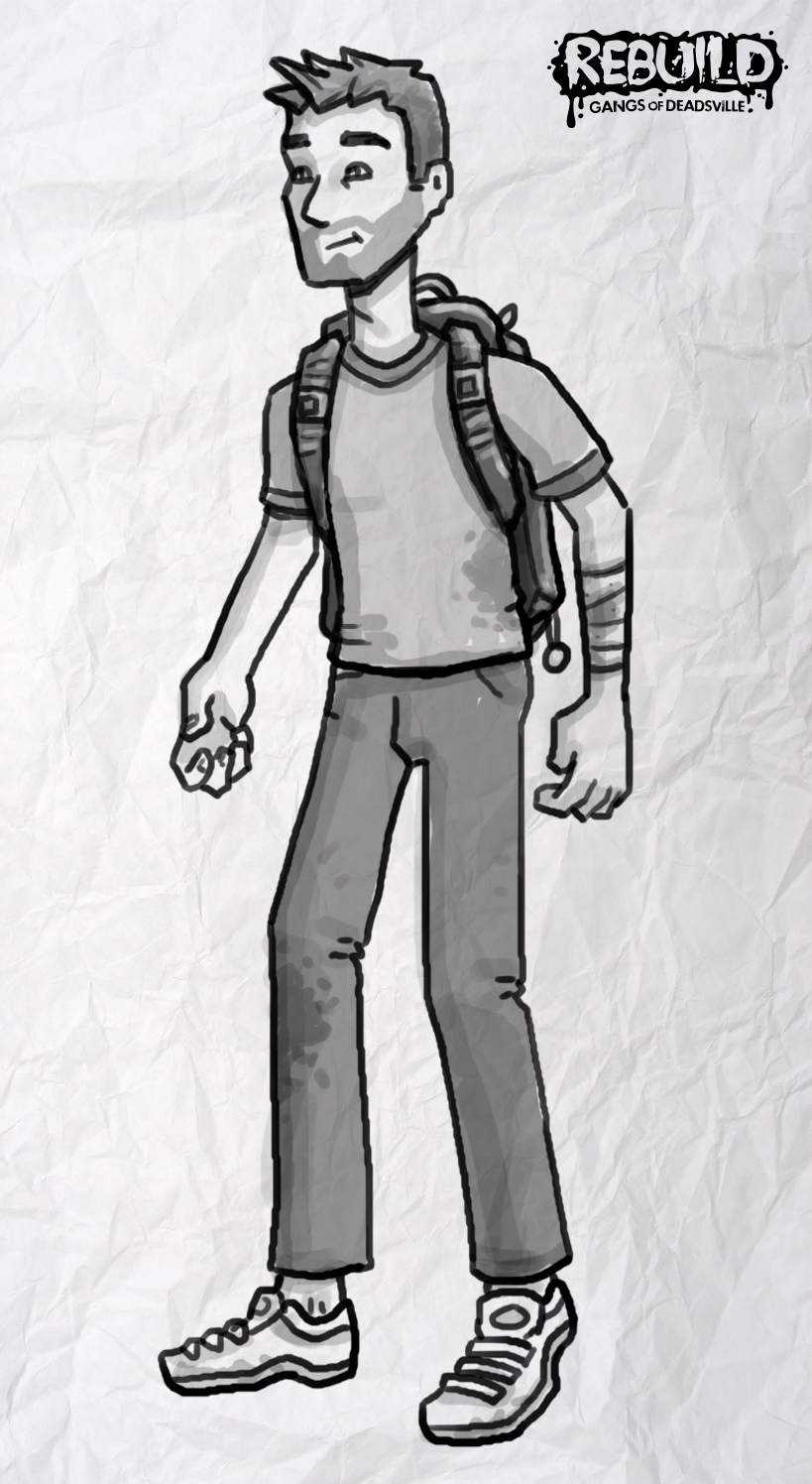
    The new characters have so much… character! They’ll have mix & match features like earlier games, and a bunch of new clothing options. Hipsters, geeks, cops and cowboys – I can’t wait to make my last stand with these adorable bastards. I’ll leave you with some of Adam’s survivor sketches:

    RogueSheriffGood Natured
    HipsterMilitiaPunk